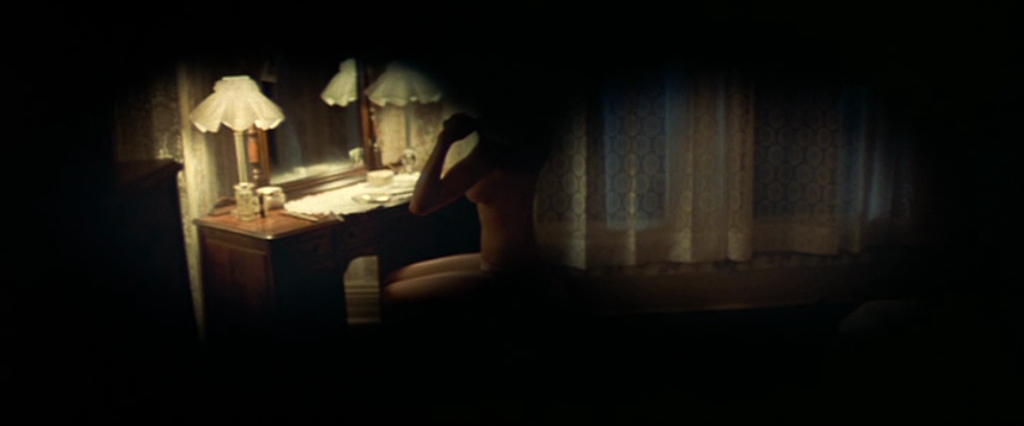
When rewatching the iconic 1978 John Carpenter hit, “Halloween,” I desperately wanted it to be feminist. I was constantly fighting to find the feminist reading, and would jump at anything that felt different; anything subversive to the classic feminist tropes. And while I did find those instances, “Halloween” still feels utterly “tropey.” I asked a fellow film fanatic about which way the film slanted and he was convinced it was feminist. “Michael Myers is an incel!” he said. While a modern term, I have to admit that Michael Myers seems to perfectly fit that “involuntarily celibate,” women-hating, sex-hating image of toxic masculinity. We spend the first moment of the film with him, forced to join in on his voyeurism, then creeping through the house with him and leering at his nude older sister before mercilessly stabbing her. He watched her fooling around with a boy and then he killed her. This pattern continues. The women who have sex die. The virgin does not.
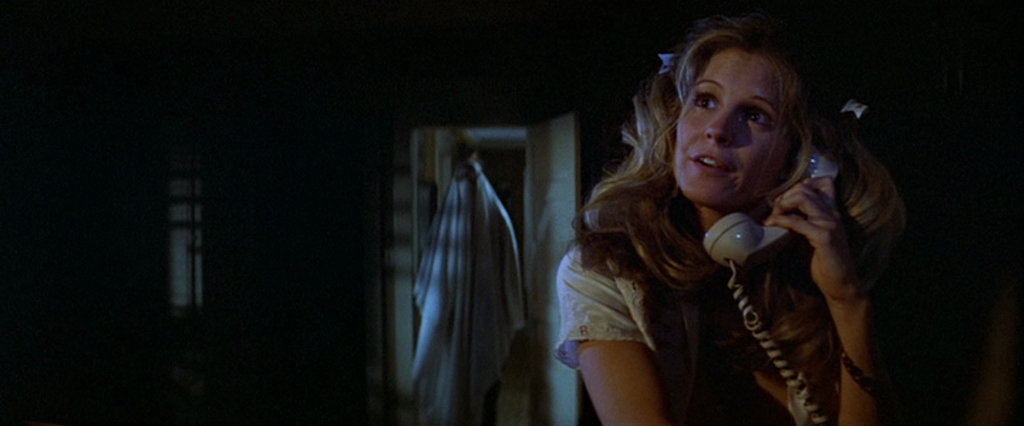
Jamie Lee Curti’s teenaged character Laurie is the outcast among her so-called friends. They are feminine. They wear makeup. They date boys. They ridicule Laurie for not doing the same. Laurie is intelligent and cares about school. Her friends mock her for it. “Poor Laurie, you scared another one away.” “It’s tragic. You never go out.” Laurie is later rewarded for this behavior. When Annie and Lynda scheme to see their boyfriends and fool around, it results in their downfall. Laurie is “not like the other girls,” and for this she gets to survive. But Laurie does not survive on her own. While there is an empowering moment where Laurie jams a hanger into Michael, this ultimately does not result in victory. In fact, Michael is about to kill her when Loomis appears at the last second to shoot down Michael.
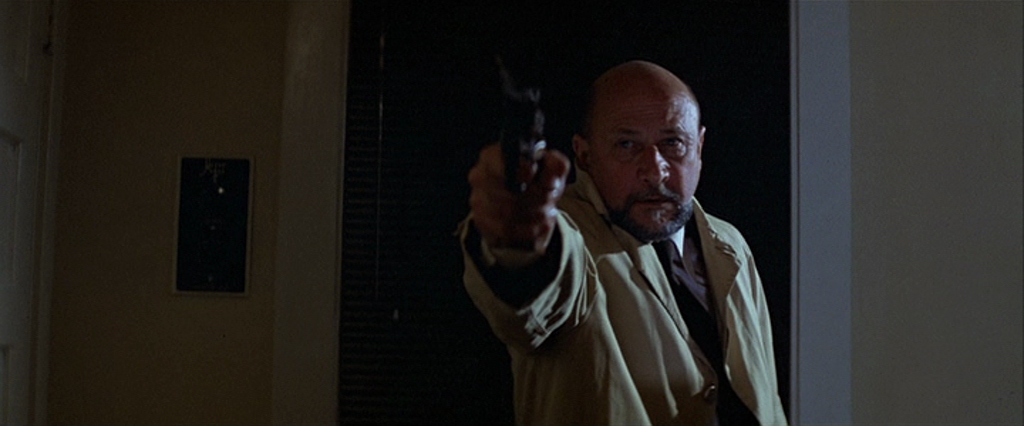
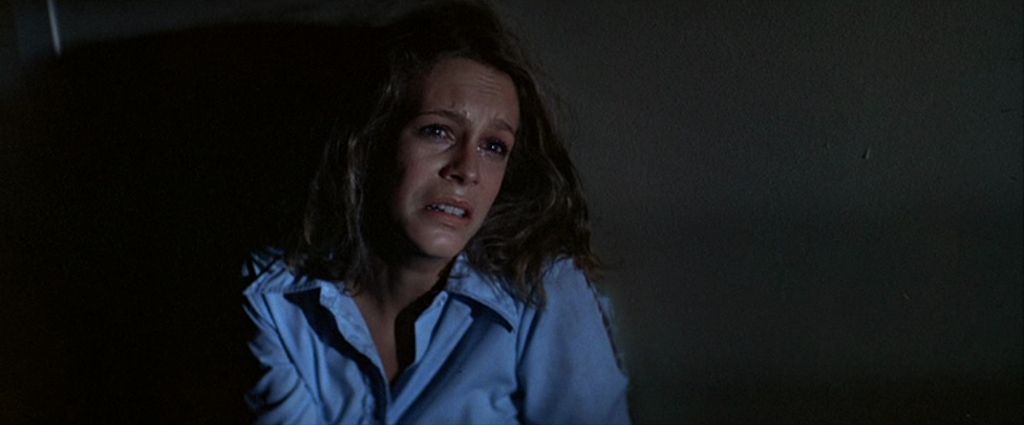
Of course, he is not successful, because toxic masculinity apparently never dies. But any sense of victory is robbed from Laurie. Instead, she is powerless, weeping, alone.
 Film, Gender, Sexuality