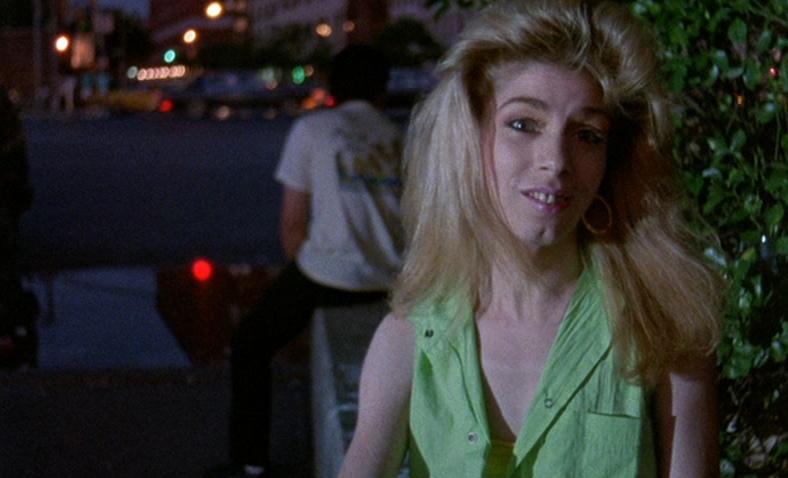
I am incredibly torn when it comes to how to read this film. bell hooks’ takes a hard and fast stance against nearly every aspect of the film, from its conception to its message to drag culture itself. She pointed out one of the more disturbing elements drag culture that the documentary revealed: “the idea of womanness and femininity is totally personified by whiteness.” Most of the subjects openly expressed their desire to attain the beauty and social status of a white woman.
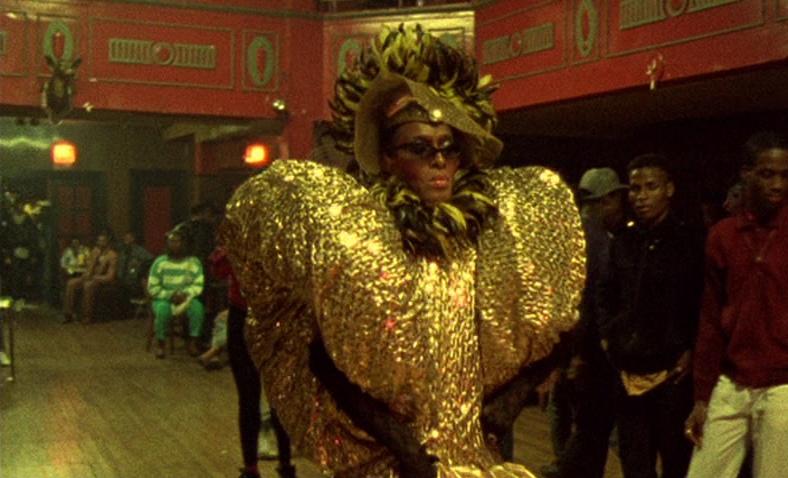
I was also struck by hooks’ assertion that celebratory manner in which drag balls are represented turns them from ritual to spectacle for the pleasure of white viewers. I was immediately concerned about this as a white viewer who is pretty unfamiliar with the drag scene and history. To me, the drag balls had seemed like a celebration. Was it wrong that I saw them as such? hooks’ describes seeing the film with a fellow black female friend and being disturbed by the laughter and entertainment from white audiences in moments that they felt incredibly sad or disturbed. I wondered if I was guilty of this. She continues that the film aided this reading, jumping quickly from moments of sadness to dramatic scenes from the balls, undermining the pain felt by the subjects and again turning to spectacle.
hooks goes on to delve into the fact that this film was created by a white lesbian woman who was not at all involved with the community. Livingston, the director, is never seen on camera and takes on a very unassuming, uninvolved, and as hooks asserts “innocent” personage when it comes to her hand in the film. Nevertheless, the film was in fact shaped and pieced together by an outsider.
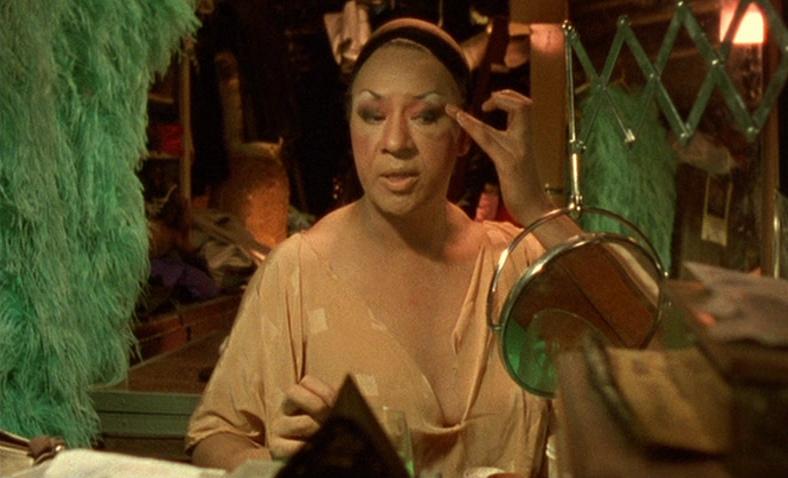
Daniel T. Contrera’s reading of the film pulls together a number of sources that concede to hooks’ reading at times but also provide a more optimistic take on the documentary as well as drag culture. He notes Judith Butler’s idea that perhaps drag is reshaping and reforming familiar gender roles. Contrera also notes that hooks’ and other scholars are taking for granted that “participants in the balls are simply practicing a type of parody of high fashion catwalk instead of actually creating it.”
 Film, Gender, Sexuality